
Check back soon
Once posts are published, you’ll see them here.


Updated: 4 days ago
The U.S. pet economy is growing, but pet owners are becoming more deliberate about where they spend. A profitable pet business pricing strategy cannot depend on matching the salon down the street. Calculate your true cost per service, price for time and complexity, communicate annual 10–15% increases with 30 days’ notice, and use premium tiers to make value visible. A full book at low prices is not growth. It is a margin trap.
Answer: The pet services market remains substantial, but consumer behavior has shifted from automatic spending to intentional spending. Pet owners still prioritize their animals, yet they are comparing options, substituting paid services with at-home care, and looking for measurable value. Pet businesses that rely on loyalty alone will struggle. Businesses that clearly connect price to outcomes, convenience, safety, and expertise will grow.
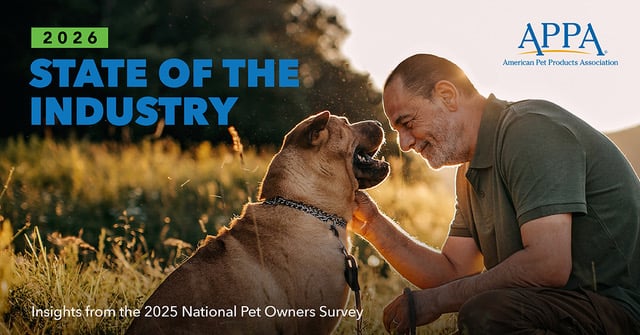
The American Pet Products Association (APPA) reports that U.S. pet industry spending reached $158 billion in 2025. Dog ownership reached 53% of U.S. households, representing approximately 71 million dog-owning households, a 4% year-over-year increase.
The same growth story contains a warning. APPA’s 2026 Dog Report found that spending on boarding, salon grooming, and mobile grooming declined in 2025. The report also found that 51% of dog owners groom at home, while four in ten rely on family or friends for pet care while traveling.
“Dogs continue to be one of the highest priorities in household spending decisions, even as families face ongoing economic pressures,” said Pete Scott, President and CEO of APPA. “It’s a shift toward more intentional spending.”
The opportunity is not to become the cheapest provider. The opportunity is to make the value of professional care unmistakable.
Answer: Value-conscious customers are not identical to price-sensitive customers. Many pet owners will pay for services that protect their pet’s comfort, safety, health, routine, and appearance. The strongest pricing strategy separates essential value from optional extras, gives customers meaningful choices, and explains the business outcome behind every premium rate.
The AICPA survey conducted by The Harris Poll found that 95% of pet owners consider their pets members of the family. The survey also found that 69% would cut spending on themselves before cutting spending on their pets, and 62% maintain a pet-spending budget.
“These findings show that Americans view pets as a member of the family and that the money spent to care for them is not an afterthought but a core household expense,” said Cary Sinnett, Director of Personal Financial Planning for the AICPA.
The strategic implication is clear: pet owners may reject vague pricing, but they will often accept pricing that reflects a clear benefit. A luxury boarding facility can charge more for smaller play groups, individualized enrichment, reliable updates, and stronger safety systems. A grooming business can charge more for specialized coat work, patient handling, and predictable appointment times.
Answer: A pet business is probably undercharging when the owner is fully booked but cash flow remains weak, when employees cannot be paid competitively, or when every unexpected expense creates anxiety. Pricing should cover labor, overhead, owner compensation, taxes, reinvestment, and profit. A busy calendar does not prove a healthy business. Margin proves a healthy business.
The IBISWorld Pet Grooming and Boarding market report estimates the U.S. market at $11.3 billion in 2026, with 1.6% year-over-year growth and a 3.6% compound annual growth rate from 2021 to 2026.
Market benchmarks can provide context, but competitor pricing should never replace internal financial analysis. GroomBoard’s 2026 industry statistics place the average full groom for a medium dog at approximately $75, with a typical range of $65 to $95.
Calculate four numbers for every core service:
Direct labor cost: Employee wages, payroll taxes, and benefits.
Service time: Hands-on time plus setup, cleanup, consultation, and documentation.
Allocated overhead: Rent, utilities, supplies, software, insurance, equipment, and administration.
Required margin: Profit and reinvestment after operating expenses.
A price that covers shampoo and wages but not equipment replacement, paid time off, training, and owner compensation is not sustainable. The business is subsidizing every appointment.
Answer: A groomer charging $50 for a full groom can generate impressive gross revenue while earning less than the median employee wage after overhead. A simple monthly calculation exposes the problem. Revenue alone creates false confidence when service volume, physical labor, overhead, and unpaid owner time are excluded from the pricing decision.
Consider a groomer who charges $50 per groom, completes six grooms per day, and works 22 days per month:
Gross monthly revenue: $50 × 6 × 22 = $6,600
Monthly overhead: approximately $5,000
Remaining owner earnings before taxes: $1,600
Monthly working time: 22 days × 8 hours = 176 hours
Effective hourly earnings: $1,600 ÷ 176 = $9.09 per hour
The $9.09 hourly figure is not a true net income calculation after taxes, but it accurately demonstrates the economic problem: a skilled owner can earn less than an employee while carrying the rent, equipment, supply, insurance, and business risks.
Talopet’s 2026 grooming pricing guide cites a $14.80 median hourly wage for animal care workers and warns that undercharging can reduce an owner’s effective earnings to approximately $9.09 per hour.
A full book at low prices is a trap. A packed schedule can prevent strategic work, accelerate physical burnout, delay hiring, and leave no cash for improvements. The goal is not maximum appointments. The goal is profitable capacity.
Answer: Value-based pricing charges for the work a service actually requires rather than relying on one simplistic variable such as pet size or appointment length. Coat condition, temperament, time since the last appointment, breed-specific technique, handling requirements, and add-ons all affect labor and client outcomes. Pricing should reflect the complete service experience.
For grooming businesses, evaluate:
Coat condition: Maintained coats and severely matted coats do not require equal labor.
Temperament: An anxious, reactive, or difficult-to-handle dog may require additional breaks, staff, or safety protocols.
Time since the last groom: Longer gaps often create more brushing, dematting, and corrective work.
Breed-specific requirements: Hand-stripping, doodle styling, double-coat care, and specialty cuts require different expertise.
Add-ons: Nail grinding, teeth brushing, deshedding treatments, specialty shampoos, and conditioning treatments create additional value.
For luxury boarding operations, evaluate suite type, staffing ratio, medication administration, enrichment, transportation, one-on-one activities, and communication frequency. Numinous Consulting’s pet boarding workflow playbook provides a useful framework for connecting care standards, capacity, staffing, and revenue.
Price by the job, not just the dog’s weight. Two medium dogs can require completely different amounts of time, risk management, technical skill, and communication.
Answer: Raise prices gradually, predictably, and transparently. Apply updated pricing to new clients first, provide existing clients with at least 30 days’ notice, and explain the service value behind the change. Keep a clear entry-level option when appropriate, but do not negotiate away the margin required to deliver safe, consistent care.
Use the following sequence:
Raise new-client pricing first. Quote new prospects at the updated rate immediately. New-client acceptance provides real market feedback without disrupting established relationships.
Increase existing-client rates annually. A planned 10–15% annual increase is easier to absorb than a large correction after several stagnant years.
Give at least 30 days’ notice. Written notice through email, text, and booking software creates clarity and reduces checkout surprises.
Explain the value. Mention staffing, training, equipment, safety standards, products, appointment reliability, or service improvements.
Create tiers. Offer essential, enhanced, and premium versions so customers can choose rather than feel cornered.
Stop apologizing for sustainable pricing. A professional price announcement is not a confession.
Talopet reports that 10–15% price increases retain approximately 80–90% of clients. The figure should be treated as an industry benchmark rather than a guarantee, but the underlying principle is sound: moderate, well-communicated increases do not automatically produce mass attrition.
A practical message can be direct:
“Beginning October 1, service rates will increase by 10% to support continued investment in trained staff, quality products, equipment, and reliable care. Clients will receive the updated service menu 30 days before the change. Thank you for trusting our team with your pet.”
Answer: Premium tiers make value visible and protect the business from competing on a single price. A three-level structure gives budget-conscious clients a reasonable baseline while creating a clear path for clients who want more convenience, personalization, or specialized care. Tiering also helps managers measure which services generate revenue without overloading the team.
A grooming business might offer:
Essential Groom: Bath, brush-out, basic haircut, and nail trim.
Enhanced Groom: Essential services plus deshedding, conditioning, nail grinding, and a detailed care note.
Signature Groom: Enhanced services plus priority scheduling, breed-specific styling, premium products, and individualized handling.
A boarding business might offer:
Standard Stay: Safe accommodation, feeding, cleaning, and scheduled relief.
Enriched Stay: Smaller play groups, enrichment activities, daily updates, and additional exercise.
Luxury Stay: Premium suite, individualized care plan, priority booking, transportation, and expanded communication.
The tiers must represent operationally real differences. A premium label without additional care, convenience, or expertise will not survive informed comparison.
Answer: A 90-day pricing reset should move from financial visibility to offer redesign to disciplined implementation. The first month identifies margin leaks. The second month clarifies service value and updates pricing. The third month measures retention, average ticket, utilization, and profitability. The process should improve business health without sacrificing care quality or team sustainability.
List every monthly expense, including owner labor and equipment replacement.
Calculate service time for grooming, boarding, training, and retail support.
Identify the least profitable services and appointment types.
Track cancellations and no-shows. GroomBoard reports average no-show rates of 10–15%, costing some businesses more than $700 per month.
Record average ticket, revenue per labor hour, and rebooking rate.
Compare current prices with regional benchmarks without copying competitors.
Set a minimum profitable price for each core service.
Add charges for coat condition, temperament, extended service time, and specialized work.
Create three service tiers where meaningful differences exist.
Set new-client prices first.
Prepare a 30-day communication plan for existing clients.
Update the website, booking system, service menu, staff scripts, and printed materials.
Launch updated new-client pricing.
Send existing-client notices at least 30 days before the increase.
Monitor client retention, average revenue per visit, complaints, cancellations, and rebooking.
Review whether premium services fit available labor and capacity.
Adjust scheduling rules when demand exceeds safe operating limits.
Hold a weekly leadership review focused on margin, service quality, and employee workload.
The Numinous Consulting grooming business management guide reinforces the broader strategic point: growth requires systems that protect profitability, employee performance, and service consistency at the same time.
Answer: The most common pricing mistakes are matching competitors blindly, charging only by pet size, ignoring owner labor, delaying increases, discounting for complaints, and filling every appointment slot at an unsustainable rate. Each mistake reduces strategic flexibility. Strong operators treat pricing as an ongoing management system, not a one-time spreadsheet exercise.
Avoid these six errors:
Pricing from fear: Fear of losing clients is not a financial model.
Confusing revenue with profit: High sales can conceal low or negative margins.
Ignoring complexity: A matted coat, reactive dog, or medication schedule changes the work.
Making exceptions casually: Unrecorded discounts train customers to challenge every rate.
Waiting until the business is in crisis: Annual increases prevent painful emergency corrections.
Treating a full schedule as success: A full schedule without margin limits hiring, training, and reinvestment.
I have seen owners work harder to preserve prices that no longer support the business they are trying to build. Clarify the economics first. Then build a service experience that earns the price.
Answer: Pricing questions usually involve retention, competition, service complexity, and communication. The right answer depends on location, labor model, capacity, client mix, and service quality. A sound pricing decision begins with internal costs and delivered value, then uses market data as context rather than as the final authority.
Most pet businesses should review pricing at least annually and consider increases of approximately 10–15% when costs, labor, or service value justify the change. Provide existing clients with at least 30 days’ notice. Smaller annual increases are generally easier to manage than large corrections after years of stagnant pricing.
A grooming business should use weight or size as a starting point, not the complete pricing formula. Coat condition, temperament, breed-specific styling, time since the last groom, and additional handling requirements can materially change the labor involved. Pricing should reflect the actual job.
A pet business can reduce price resistance by raising new-client prices first, giving existing clients 30 days’ notice, explaining the operational value behind the increase, and offering clearly differentiated service tiers. Some price-sensitive clients may leave, but unsustainable pricing creates a larger long-term risk.
A full book at low prices is often a trap. Low rates can create burnout, prevent hiring, reduce service quality, and leave insufficient cash for equipment and training. A profitable schedule should include enough margin and capacity for reliable operations, not merely maximum appointment volume.
A premium grooming package may include breed-specific styling, high-quality products, deshedding or conditioning, nail grinding, individualized handling, priority scheduling, detailed care notes, or follow-up recommendations. Premium features should be operationally meaningful and consistently delivered rather than cosmetic labels added to the menu.
A luxury boarding facility should price premium care around suite type, staffing ratios, enrichment, individualized activities, medication administration, transportation, communication, and holiday demand. Occupancy alone is insufficient. Management should track revenue per available room, labor hours per pet-day, add-on attachment, and incident rates.
A pet business should consider consulting support when the owner is the primary bottleneck, margins are unclear, turnover is persistent, pricing decisions create conflict, or growth repeatedly causes service failures. Specialized pet business consulting from Numinous Consulting can help connect pricing, leadership, HR, and operational strategy.
Comments